


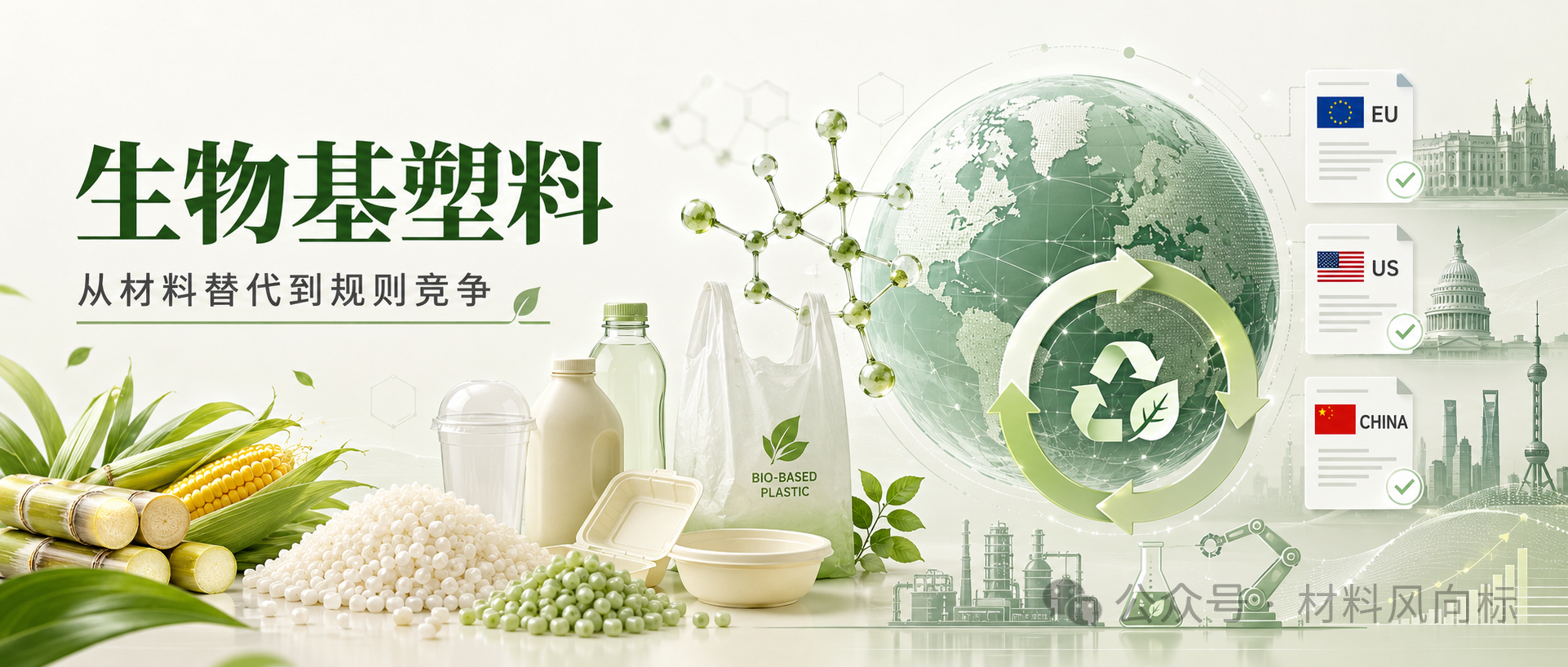
As polylactic acid (PLA), polyhydroxyalkanoates (PHA), and bio-based polyethylene (Bio-PE) continue to compete for market share, global regulatory frameworks are beginning to define boundaries for different materials. The competition among bioplastics is now extending beyond feedstock sources, polymerization technologies, and production costs to include carbon footprint, recycling systems, compliance certifications, and international trade regulations.
2026 will be a pivotal year for accelerating the global adjustment of regulations on bio-based plastics.
On August 12, the EU's Packaging and Packaging Waste Regulation (PPWR) will officially take effect. Manufacturers placing packaging on the EU market must conduct conformity assessments, prepare technical documentation, and issue a Declaration of Conformity to the EU. Importers are required to verify that these procedures have been completed and provide relevant documentation upon request by regulatory authorities.
In California, the debate over what products can be labeled as "compostable" continues. According to local requirements, plastic products labeled as "compostable" must not only meet technical standards such as ASTM D6400, but also limit total organic fluorine content and, starting June 30, 2027, use materials permitted by the U.S. Department of Agriculture's National Organic Program as agricultural organic inputs. However, in January 2026, the National Organic Standards Board did not recommend including relevant synthetic compostable polymers in future rulemaking.
In China, GB/T 46256-2025 "Biobased Materials and Products—Requirements for Biobased Content and Traceability Labeling" came into effect on March 1, 2026, while GB/T 46658-2025 "Green Product Evaluation—Biobased Materials and Products" took effect on May 1. On August 15, the "Ecological Environment Code of the People's Republic of China" will also officially come into force, clearly stipulating restrictions on non-degradable single-use plastic products and promoting recyclable, easily recoverable, biodegradable, and harmless alternatives.
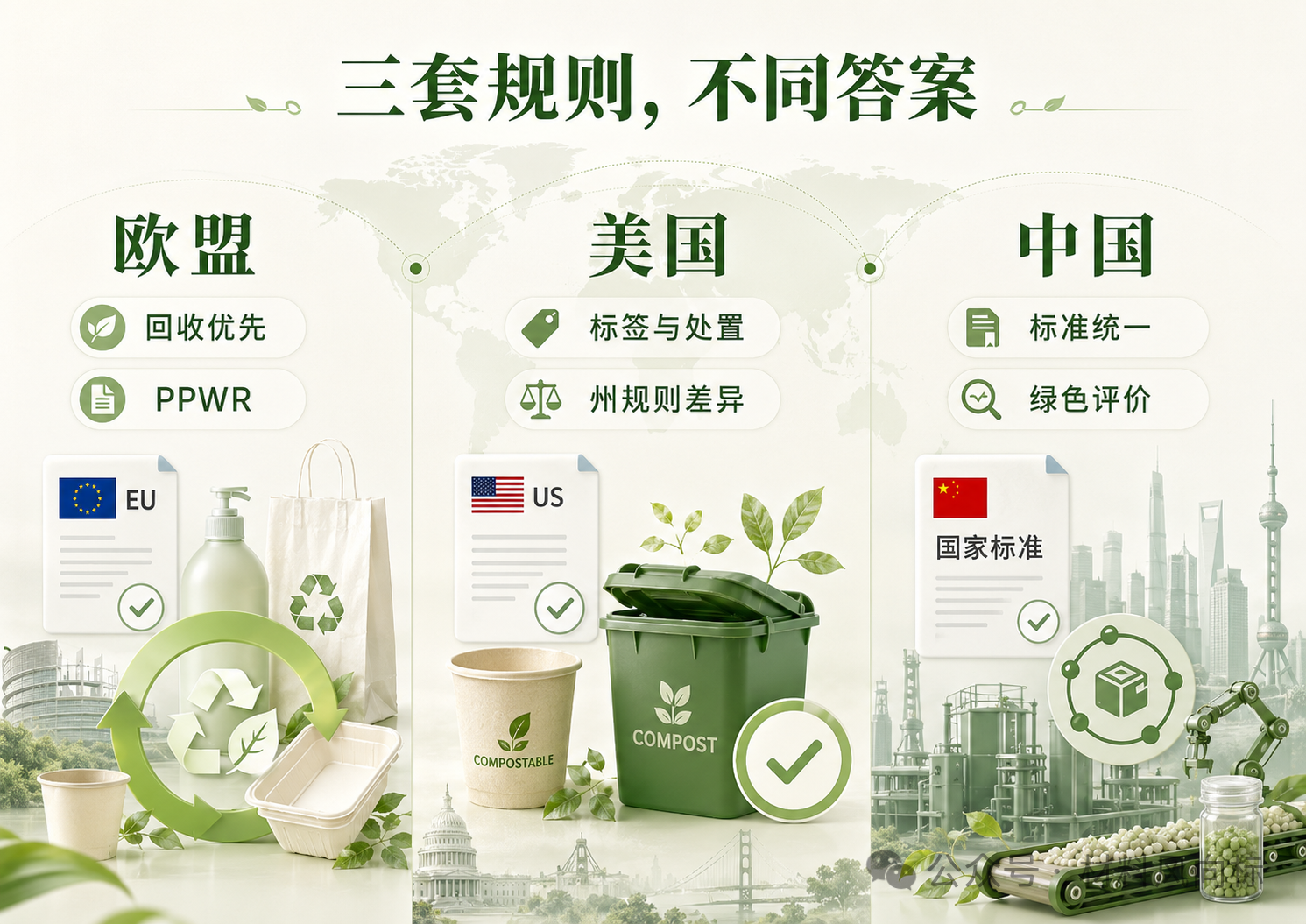
Three major markets have nearly simultaneously revised their regulations, yet they have not provided identical answers regarding bio-based plastics. The EU prioritizes packaging reduction, reuse, and material recycling, requiring bio-based materials to fit within the overall circular system; the U.S. focuses more on the accuracy of environmental claims and whether products can successfully compost under real-world conditions; while China is establishing relatively unified industry standards through criteria such as bio-based content, traceability labeling, and green product evaluation.
Although the regulatory pathways differ, they collectively push bio-based plastics into a new competitive phase: companies must not only demonstrate that materials can be produced, meet performance standards, and remain cost-effective, but also explain where raw materials come from, the percentage of bio-based content, carbon footprint, end-of-life processing methods, and whether products comply with regulations across different target markets.
1. Bio-based, biodegradable, and compostable—first, it's essential to distinguish between them clearly.
Bio-based plastics are plastics in which part or all of the carbon source comes from renewable biomass such as plants, microorganisms, agricultural by-products, or waste oils.
However, in practice, terms such as "bio-based plastics," "biodegradable plastics," and "bioplastics" are often used interchangeably, leading to widespread misunderstandings. A typical example is bio-based polyethylene, which can be produced from sugarcane ethanol. It has the same chemical structure as conventional petroleum-based polyethylene, allowing it to enter existing polyethylene recycling systems, but it typically does not biodegrade.
PLA and PHA can typically originate from biomass and are biodegradable under specified conditions. However, PLA generally requires the temperature, humidity, and microbial conditions provided by industrial composting facilities, meaning it does not necessarily break down quickly when discarded in soil, oceans, or typical household compost bins.
Polybutylene adipate terephthalate (PBAT) lies in another quadrant. It offers good flexibility and industrial compostability, but commercially available PBAT is typically produced from petrochemical feedstocks such as purified terephthalic acid (PTA), adipic acid, and 1,4-butanediol (BDO). As a result, it is generally considered a biodegradable plastic, though not necessarily a bio-based one. Only when bio-based adipic acid or bio-based BDO are used does its bio-based content increase accordingly.
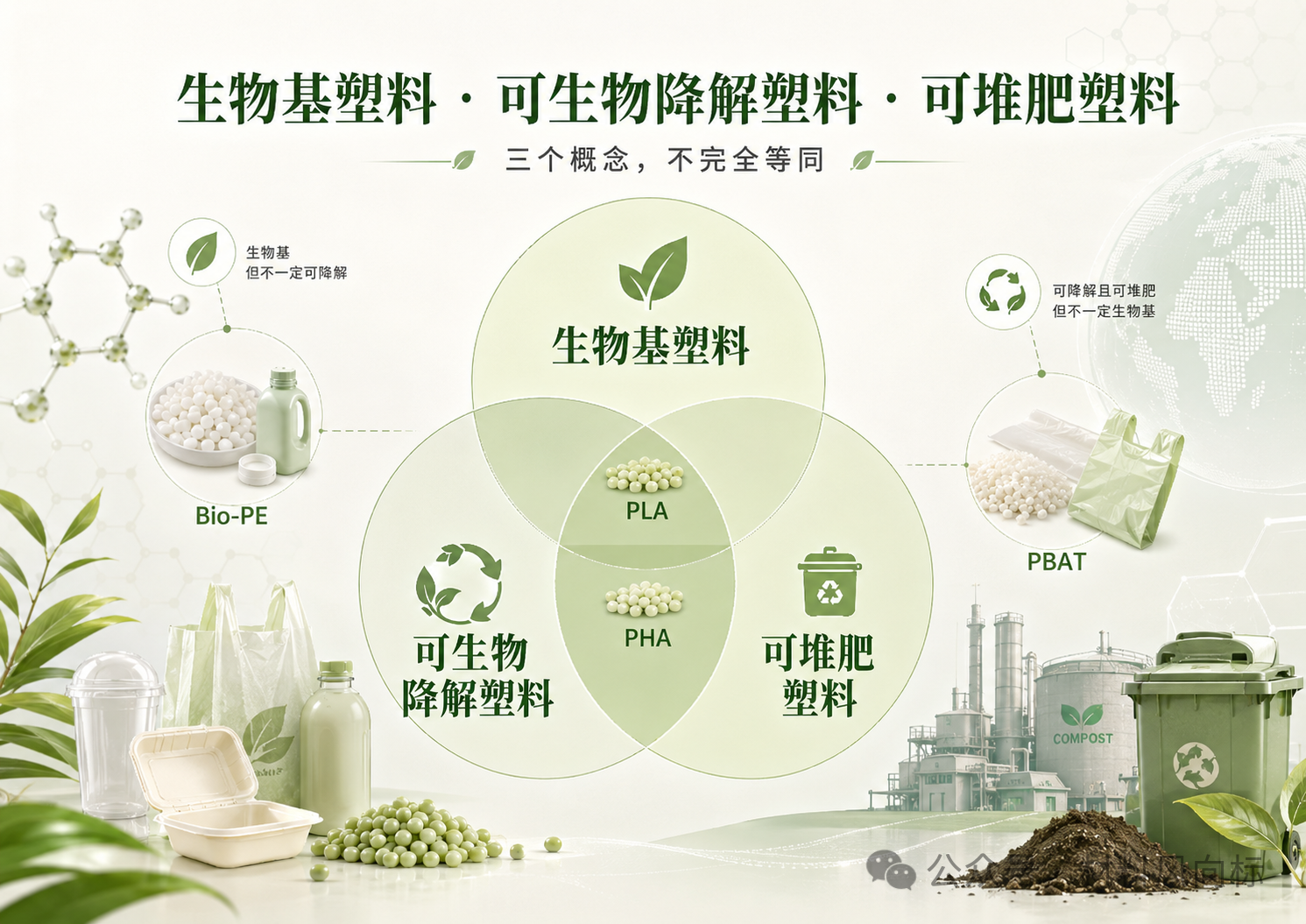
Therefore, "bioplastics" is better understood as an umbrella term for a range of materials, which may include bio-based but non-degradable plastics, degradable plastics primarily derived from fossil resources, as well as materials like PLA and PHA that possess both characteristics. The European Union has also clearly stated that bio-based, biodegradable, and compostable are three distinct dimensions, and there is currently no unified EU legislation covering all relevant materials.
2. The market is growing rapidly, but remains far from mainstream plastics
According to 2025 market data released by the European Bioplastics Association and Nova Institute, global bio-based plastic production capacity stands at approximately 2.31 million tons, expected to rise to 4.69 million tons by 2030—nearly doubling. However, within the broader plastics industry, this scale remains relatively small. With global annual plastic production reaching about 431 million tons, bio-based plastics account for only around 0.5% of total capacity.
From an application perspective, packaging remains the largest market, accounting for approximately 41.3% of bio-plastic capacity in 2025; the automotive and transportation sector is growing to around 240,000 tons, representing about 10.3%. The global bio-plastics industry has an average capacity utilization rate of roughly 72%, but utilization varies significantly across different materials—some mature products are operating near full capacity, while newly built production lines have relatively low startup rates. These figures indicate that bio-based plastics are experiencing rapid growth, yet they have not yet reached a stage where they are widely replacing conventional plastics.
It now resembles a new materials industry composed of multiple niche segments: some products have entered mature commercial markets, others are expanding applications through policy support and brand demand, while some remain in the stages of technological scaling and market validation.
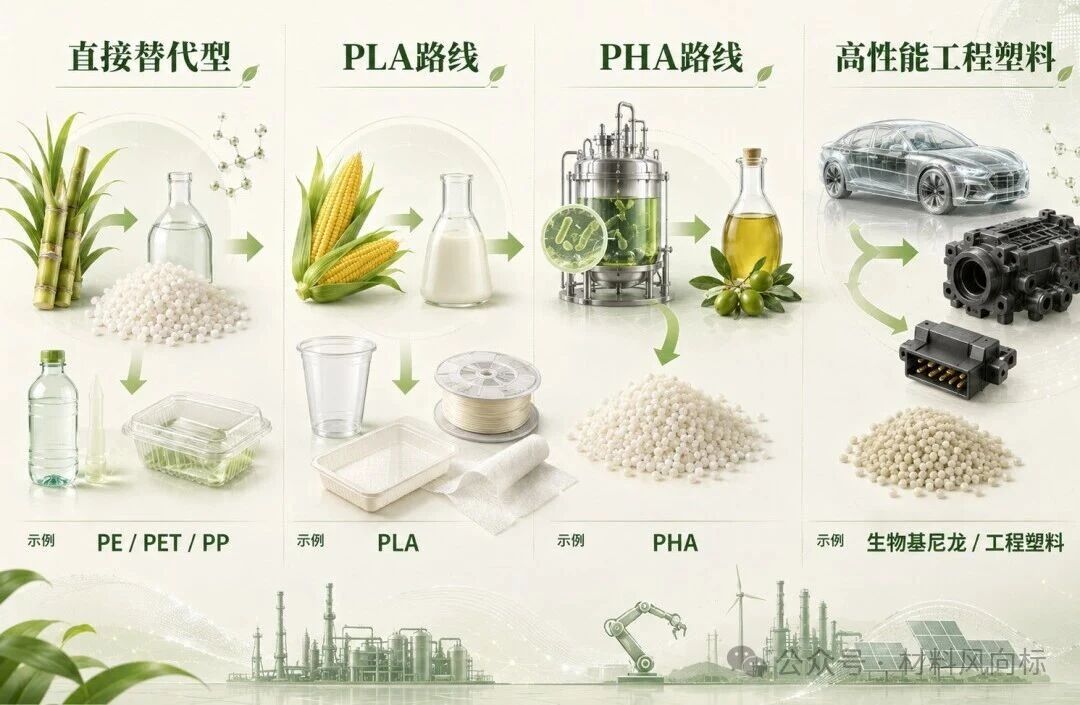
3. Bio-based plastics are forming four industrial pathways.
The first is "direct replacement-type" bio-based plastics, including bio-based PE, PET, and PP.
These materials produce chemical feedstocks such as ethanol, ethylene glycol, and naphtha from biomass, then follow conventional polymerization pathways. The resulting polymers have the same chemical structure as petrochemical products, hence they are also known as "drop-in materials."
Their greatest advantage is that performance, equipment, molds, and recycling systems require little to no modification. For example, Braskem's sugarcane-based polyethylene in Brazil has already established a green ethylene capacity of approximately 275,000 tons per year, and the related bio-based PE can be integrated into existing polyethylene recycling systems.
The second category is bio-based polyester, represented by PLA.
PLA is produced by converting corn, sugarcane, cassava, or cellulose sugars into lactic acid, which is then processed through lactide and polymerization. It offers good transparency, rigidity, and processability, and has already been applied in food packaging, transparent sheets, fibers, nonwovens, and 3D printing.
NatureWorks and TotalEnergies Corbion are leading global PLA companies, while in China, industrial platforms such as HZ Bio-based Materials and Fengyuan Biotech have emerged. HZ Bio-based Materials has achieved domestic production of lactide and PLA, while Fengyuan Biotech is further expanding into non-food biomass sugar production routes using straw and other feedstocks.
The third category is PHA and other bio-based manufacturing polymers.
PHA is synthesized intracellularly by microorganisms and can be tailored into materials with varying chain lengths and copolymer structures by adjusting the microbial strains, carbon sources, and fermentation conditions. Japan's Showa Denko produces PHBH primarily from plant oils through microbial synthesis, while China's Microbial Engineering focuses on developing halophilic bacteria as chassis and building a PHA material platform.
PHA offers a broad material design space but also faces challenges such as fermentation efficiency, extraction and purification, thermal processing windows, and cost. In the short term, it is more likely to first enter applications with clear demand for biodegradability and higher material value, rather than directly competing with all conventional plastics.
The fourth is high-performance bio-based engineering plastics.
Bio-based nylon, bio-based polyurethane, bio-based polycarbonate, and certain bio-based thermoplastic elastomers are expanding the use of bio-based materials from single-use packaging into automotive, electronics, textiles, and composite applications.
The growth logic of such materials has evolved beyond mere "degradability" to include achieving heat resistance, low water absorption, chemical resistance, and lightweight properties through renewable monomers, while simultaneously reducing fossil carbon input. The upcoming article on bio-based nylons represents a significant branch within this high-performance trend.
4. European Union: Bio-based materials can reduce carbon emissions, but must comply with the circular economy system.
The EU's PPWR will take effect on February 11, 2025, and become applicable from August 12, 2026. Manufacturers are required to conduct conformity assessments, establish technical documentation, and issue declarations of conformity. Records for single-use packaging must generally be kept for five years, while those for reusable packaging must be retained for ten years.
PPWR's primary logic is not "replacing petrochemical plastics with bio-based plastics," but rather reducing packaging, promoting reuse, and improving material recycling. Starting in 2030, packaging must in principle achieve recyclability ratings of A, B, or C; from 2038 onward, only packaging rated A or B will be allowed on the market. Except for specific categories such as tea bags, coffee pods, and fruit and vegetable labels, or where member states have different provisions, compostable packaging should also be designed primarily to meet material recycling requirements by 2028, without compromising the recyclability of other waste streams.
In April 2026, the European Commission released a study on bio-based plastic packaging conducted by Nova Institute. The report concluded that 17 types of bio-based polymers are already commercially available, and there are no fundamental technical barriers to their use in mainstream packaging applications. Under suitable raw materials and process conditions, greenhouse gas emissions from these products can be reduced by approximately 30% to 70% compared to fossil-based alternatives.
However, this report supports future policy assessment under PPWR and does not mean the EU has already decided to set mandatory bio-based content targets. In the future, the EU will still need to address issues such as biomass sourcing, land use, food competition, supply chain traceability, recyclability compatibility, and product safety.
The EU's stance can be summarized as: bio-based materials are a potential tool for "de-petrolization," but they should not serve as an excuse to avoid responsibilities related to reduction, reuse, and recycling.
V. The United States: Coexistence of Federal Labels and State-level Disposal Rules
At the federal level in the United States, the United States Department of Agriculture has established the USDA BioPreferred program. Certified products can use the label "USDA Certified Biobased Product", but the label must clearly indicate the proportion of biobased content in the product or packaging. At the same time, the United States Federal Trade Commission has imposed the "Green Guidelines" to regulate environmental marketing promotions by enterprises.
When a company claims that its product is "compostable", it must provide reliable evidence to prove that the product can safely decompose and become part of usable compost; if the product can only be processed in industrial composting facilities, or if such facilities are not widely available in the area where consumers are located, it must be clearly specified. The widespread use of words like "green", "environmentally friendly", and "degradable" can also be regarded as misleading.
California's AB 1201 further raised the threshold. Biodegradable plastics must meet technical standards such as ASTM D6400—19, have total organic fluorine below the specified limit, and be identified in a way that easily distinguishes them from ordinary plastics. Starting from June 30, 2027, the relevant materials also need to comply with the requirements allowed by the United States Department of Agriculture's National Organic Program as organic inputs for agriculture.
However, in January 2026, the National Organic Standards Board of the United States did not recommend including the relevant synthetic compostable polymers in the rule-making process. This does not mean that the United States has completely banned compostable plastics; instead, it has created significant uncertainty regarding the future labeling compliance path in California.
The US market thus exhibits a typical feature: The content of biobased materials can be certified through voluntary federal labels, but whether the product can be promoted as compostable also requires compliance with FTC marketing rules, ASTM standards, local infrastructure and state regulations.
VI. China: Standard system is accelerating establishment, and production capacity competition is beginning to differentiate.
China's policy direction places greater emphasis on standard uniformity and evaluation of alternative products.
GB/T 46256—2025 addresses the issue of "how to test, declare and trace the content of biobased materials"; while GB/T 46658—2025 further establishes the requirements for evaluating green products. The "Environmental Code of Practice" to be implemented on August 15, 2026, explicitly prohibits and restricts non-degradable disposable plastic products and encourages alternative products that are recyclable, easily recyclable, biodegradable and harmless.
It should be noted here that the law encourages not just biobased plastics, but rather a comprehensive solution that includes recycling, recovery, degradation and environmental safety. Even if a product has a high content of biobased materials, if it is difficult to recycle, contains high-risk additives or has a high environmental burden throughout its lifecycle, it does not necessarily have policy advantages.
In the industrial sector, China has established multiple production routes including PLA, PBAT, PBS, PHA, and bio-based engineering plastics. Haisun Shengcai and Fengyuan Biology have focused on PLA, Weichuang Workshop on PHA, while companies like Jinfa Technology and Lanshan Tunhe have established industrial foundations in the fields of fully biodegradable polyesters and modified materials.
However, there are also obvious structural contradictions in the Chinese market: Some materials such as PBAT have seen rapid expansion in production capacity in the early stage, while the growth of domestic end-user demand, composting facilities, and classification collection and transportation systems has been relatively slow. This has led to some production lines operating at insufficient capacity and putting pressure on product prices.
More importantly, PBAT cannot be simply equated with biobased plastics. China's scale advantage in PBAT mainly lies in its ability to produce degradable polyesters; in the future, only by replacing it with upstream raw materials such as biobased BDO and biobased adipic acid can its biobased nature be further enhanced.
VII. Green rules are intertwining with international trade rules
Environmental regulations are creating new market demands for biobased and degradable plastics, but at the same time, anti-dumping investigations, origin rules, and import tariffs are also altering the global supply chain.
On June 4, 2026, in response to BASF's application, the European Commission initiated an anti-dumping investigation into PBAT, polydiketons (PBSeT) derived from caprolactone and phthalic acid/butylene glycol, and some high-content blends, all of which originated from China.
On July 23rd, the EU further required that relevant imported products undergo registration. This means that if subsequent investigations meet the legal conditions, the final anti-dumping duty may be retroactively levied on the registered imports. However, as of July 28th, 2026, this case is still in the investigation stage and cannot be stated that the EU has imposed the final anti-dumping duty on China's PBAT.
Meanwhile, the EU imposed final anti-dumping duties on 1,4-butanediol (BDO) from China, Saudi Arabia and the United States in June 2026. The tax rate for Chinese products ranged from 105.6% to 113.7%. BDO is an important upstream raw material for materials such as PBAT, polybutylene terephthalate (PBT), and polyurethane. These measures will further affect the raw material costs and supply chain choices in the European market.
On the one hand, the EU promotes the development of green materials through measures such as reducing packaging waste, designing for recyclability, and setting requirements for compostability. On the other hand, it protects local industries through anti-dumping tools. The green transition and industrial competition are gradually intertwining, and environmental protection rules are beginning to have attributes related to supply chains and trade competition.
This indicates that the international competition in the field of biobased and degradable plastics is showing new characteristics: environmental policies determine whether a product can enter the market, while trade policies may determine the price at which it enters the market. For Chinese enterprises, merely obtaining degradable certification or biobased content certification is no longer sufficient to ensure the smooth entry of their products into the international market. They also need to establish a more comprehensive international compliance system, including raw material sources, carbon footprint, chemical safety, quality traceability, origin rules, and trade risk management systems, etc.
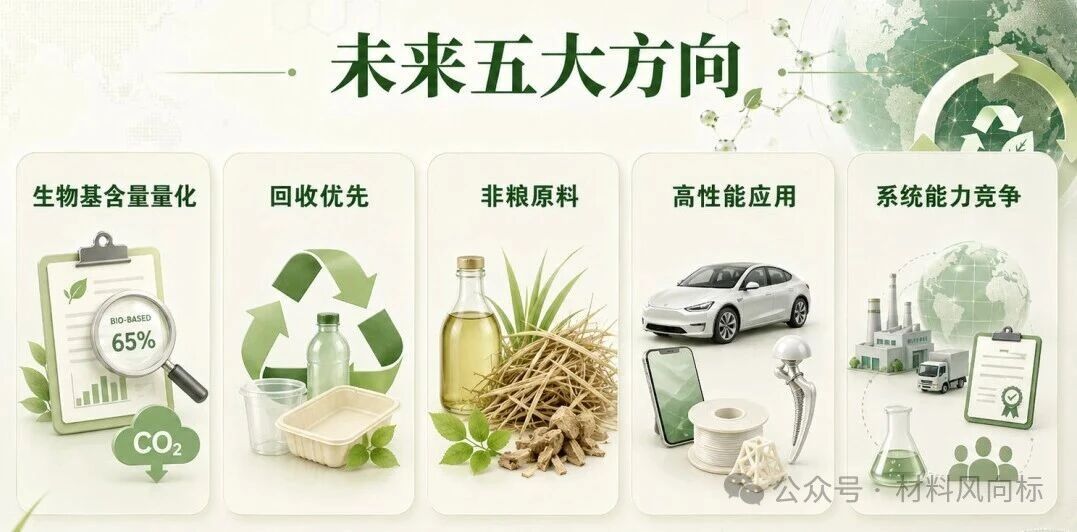
VIII. In the future, biobased plastics will develop along five directions.
Firstly, the content of biobased materials will shift from an ambiguous concept to a quantifiable metric.
In the future, enterprises cannot merely state "plant-based" or "green plastic". Instead, they must clearly indicate how much bio-based carbon is present in the product, where the bio-based raw materials come from, and which quality balance or physical isolation methods are adopted. They must also provide corresponding testing and traceability records.
Secondly, the importance of material recycling will outweigh the simplistic comparison of "whether it is biodegradable" alone.
For products such as beverage bottles, durable goods, and automotive components that are prone to forming stable recycling logistics, bio-based PE, PET, PA and other recyclable materials may have more advantages over compostable materials. Compostable plastics will mainly be used in scenarios such as tea bags, coffee capsules, fruit and vegetable labels, kitchen waste collection bags, and severely contaminated food packaging, which are difficult to be mechanically recycled but can enter the organic waste system.
Thirdly, the raw materials will shift from grain crops to waste materials and non-grain biomass.
Waste cooking oil, straw, lignocellulose from wood, agricultural by-products and industrial exhaust gases are expected to become important carbon sources in the next stage. Whoever can reduce the costs of pretreatment, fermentation and separation purification will be more likely to resolve the cost and raw material disputes of bio-based materials.
Fourth, the growth focus of the industry will shift from packaging to high-performance applications.
Packaging remains the largest market, but the growth rates of automotive, electronic and electrical, textile, medical, 3D printing and composite materials may be even faster. Materials such as bio-based nylon, polyurethane and thermoplastic elastomers do not rely on the concept of compostability, but enter the supply chain through their performance and carbon reduction.
Fifth, enterprise competition will shift from a focus on individual resin production capacity to a focus on overall system capabilities.
The truly competitive enterprises of the future will need to possess the capabilities of managing biomass raw materials, manufacturing monomers, conducting polymerization and modification, assessing product carbon footprint, obtaining food contact or automotive certifications, developing waste disposal solutions, and ensuring compliance across various markets.
Conclusion
Biobased plastics are not a single material, nor are they a universal solution to plastic pollution. They include both bio-based PE that can directly enter traditional recycling systems, PLA that requires industrial composting conditions, PHA produced by microorganisms, and bio-based nylon for automotive, electronic and composite materials. Different materials have different properties, applications and waste disposal methods. Discussing whether "biobased plastics are environmentally friendly" in a general context is already difficult to obtain an accurate answer.
After 2026, the most obvious change in the global biobased plastics industry will not only be the continued increase in production capacity, but also a shift in evaluation logic: from "whether using plant-based raw materials", to "how much, where from, carbon footprint, recyclability or safe degradation, and compliance with target market rules".
The EU prioritizes the recycling system, the United States pays more attention to marketing claims and actual disposal conditions, and China is establishing a governance system for bio-based content, green products, and disposable plastics. The three sets of rules follow different paths, but they all point to the same trend: The bio-based attributes must be detectable, traceable, and must also match the product performance and waste disposal system.
What determines whether a biobased plastic enterprise can enter the global market in the future is not only the polymerization technology in the laboratory and the scale of the production line, but also whether it can strike a balance among material performance, cost, carbon footprint, recycling and cross-jurisdictional compliance. The next stage of biobased plastics is no longer just about material substitution, but rather a comprehensive competition among the industrial chain, recycling system and global regulations.