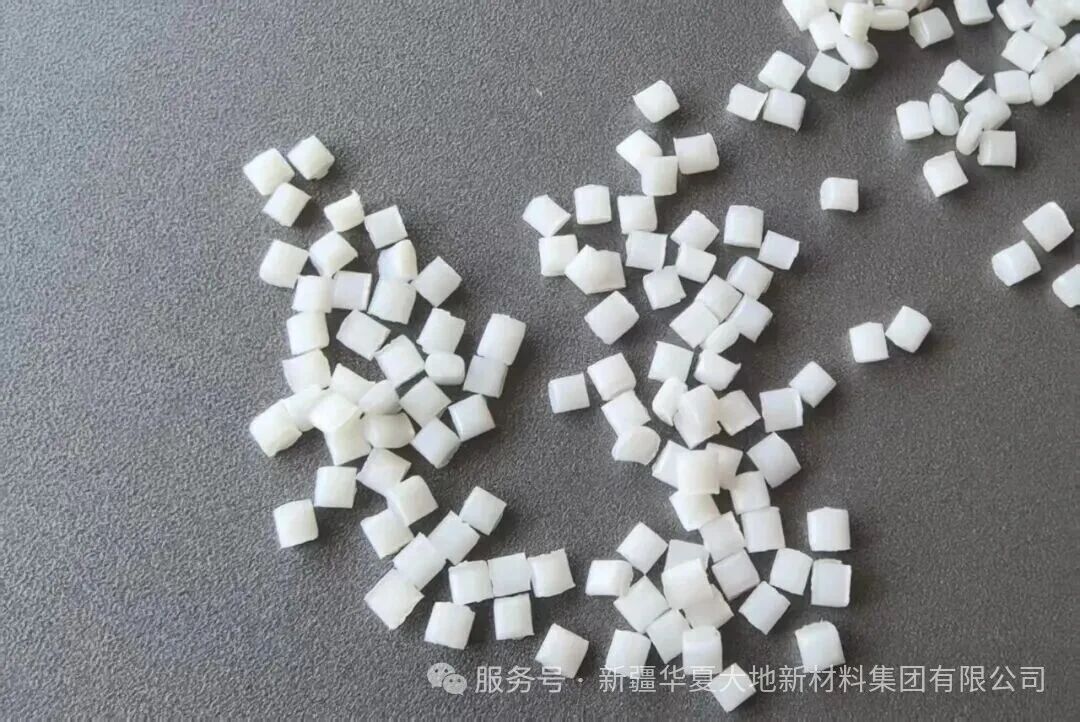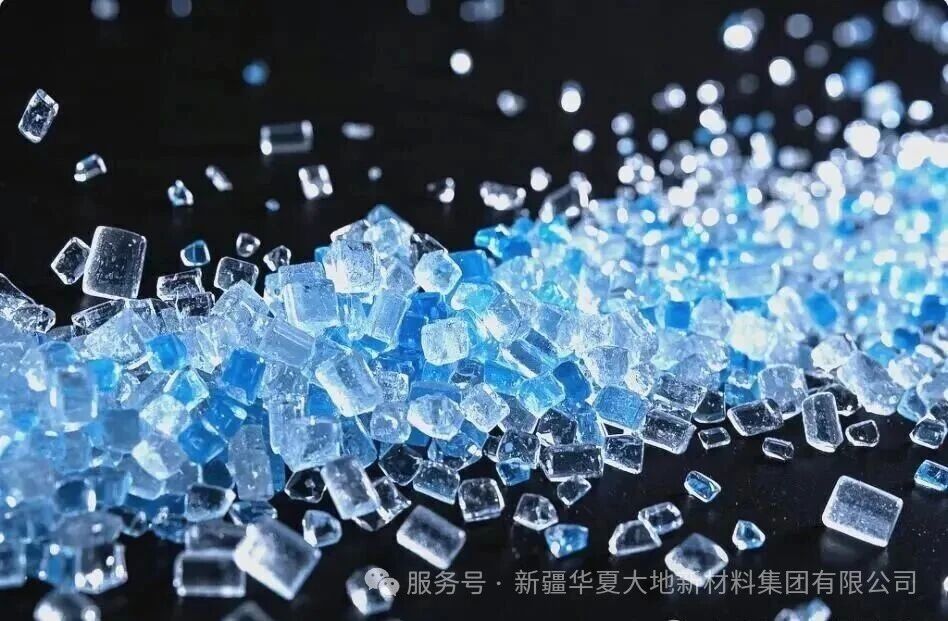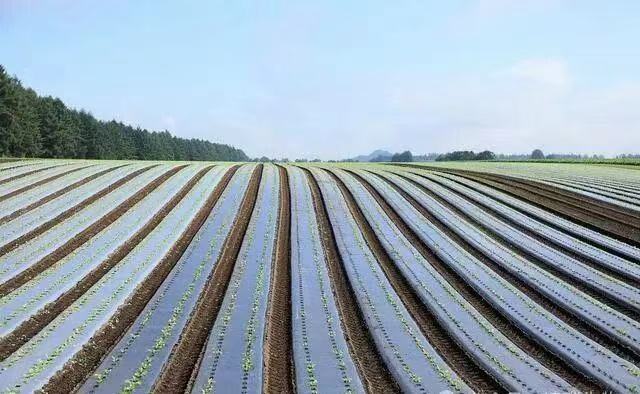

Have you noticed that the shopping bags you've been receiving from supermarkets over the past couple of years feel different to the touch? The old ones used to make a "crinkle-crinkle" sound—stiff and thin. Now, the new ones feel soft and squishy, often printed with letters: PBAT/PLA. Today, let's take a closer look at this "adorable girl" in the world of biodegradable plastics, explore how she sneaked into our daily lives, and chat about her complicated love-hate relationship with her famous "good gay friend"—PLA.
1. Who exactly is PBAT?
Its full name sounds like a tongue twister: polybutylene adipate-co-terephthalate. But its key superpower? It can be "eaten."
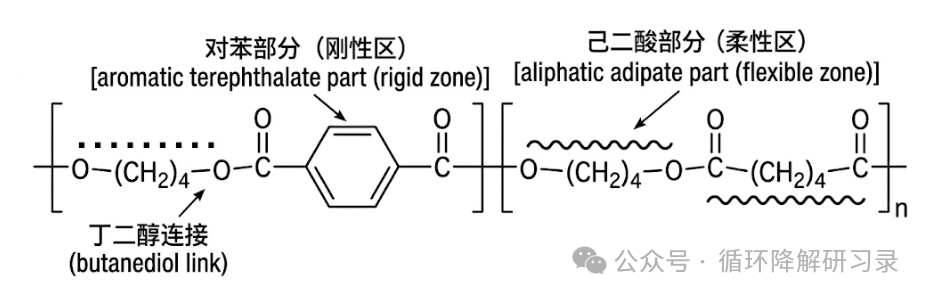
Ordinary plastic bags (PE) take hundreds of years to decompose when buried in soil, eventually breaking down only into invisible microplastics. In contrast, PBAT can be completely broken down by microorganisms into water and carbon dioxide under specific conditions—such as composting—ultimately returning to nature without a trace. It truly embodies the idea of "being here, yet leaving no mark."
2. Why is it always paired with PLA?
If you look closely at the ingredient list on biodegradable bags, you'll notice that PBAT rarely appears alone. It's often combined with PLA (polylactic acid) in the same formulation. Why add PBAT? Simply put, it complements PLA.
PLA (polylactic acid): This is the star player in biodegradables—highly rigid and strong, offering excellent structural support. But it has one major drawback: it's too hard and brittle.
PBAT: Think of it as the "yoga instructor" of biodegradables—its standout feature is exceptional toughness. It stretches well, resists tearing, and is extremely difficult to break.
So, formulators came up with a brilliant solution combining strength and flexibility:
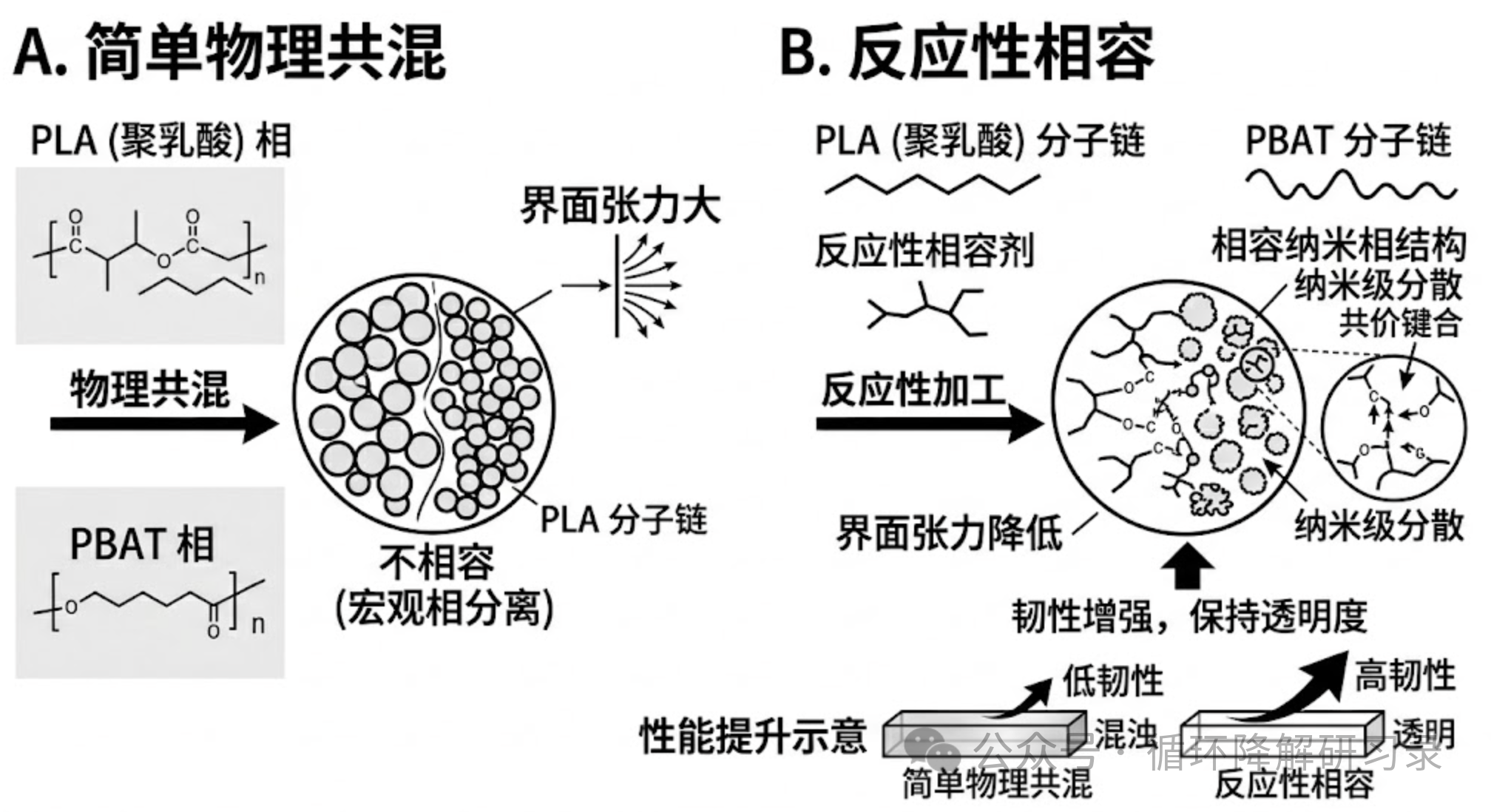 Use PLA as the framework to provide hardness, and then fill in PBAT as the muscles to provide flexibility. When the two are mixed together, the resulting plastic bag can carry heavy loads and won't easily burst open. This "hybrid" of "PLA + PBAT" is the useful eco-friendly bag you have in your hand now. 3. "I'll bury it in the flower pot. Will it disappear tomorrow?" That's wishful thinking. Many people have misunderstandings about "degradable". They think it melts instantly like snowflakes falling into the sea. If it rots on the table in just two days, your takeout might not have arrived yet, and the soup base would spill all over the place. The degradation of PBAT has thresholds:
1. Composting: In a place with a temperature of around 58°C, sufficient humidity, and a large number of microorganisms, it can disappear within 3-6 months, and it can even be operated in a home composting box. 2. Nature: If it is casually thrown on the street or falls into the sea, it will also degrade, but the speed will be much slower. 4. Having talked about so many advantages, does it have drawbacks? Of course it does. The world is fair. ● Expensive: Its production cost is a little higher than traditional plastic (PE). ● Afraid of "expiring": If the PBAT content is high, its shelf life is not long. If you stockpile a bunch of degradable bags without using them, after a year, you might find that they start to become brittle and fall apart, as if reminding you: "I'm returning to nature. Don't stop me." In summary, PBAT, PLA, PHA, PBS and other degradable materials are not an excuse for us to "unconstrainedly produce garbage". They are a way for humans to leave a backdoor for handling waste.