
The production of plastic beads requires heating and ironing to melt and bond the beads. When plastic is heated at 150℃ to 220℃, it will produce a small amount of acids, esters, unsaturated hydrocarbons; formaldehyde, acetaldehyde; CO₂ and CO and other substances. Although the amount of formaldehyde is very small, continuous inhalation in a closed space may irritate the respiratory tract.
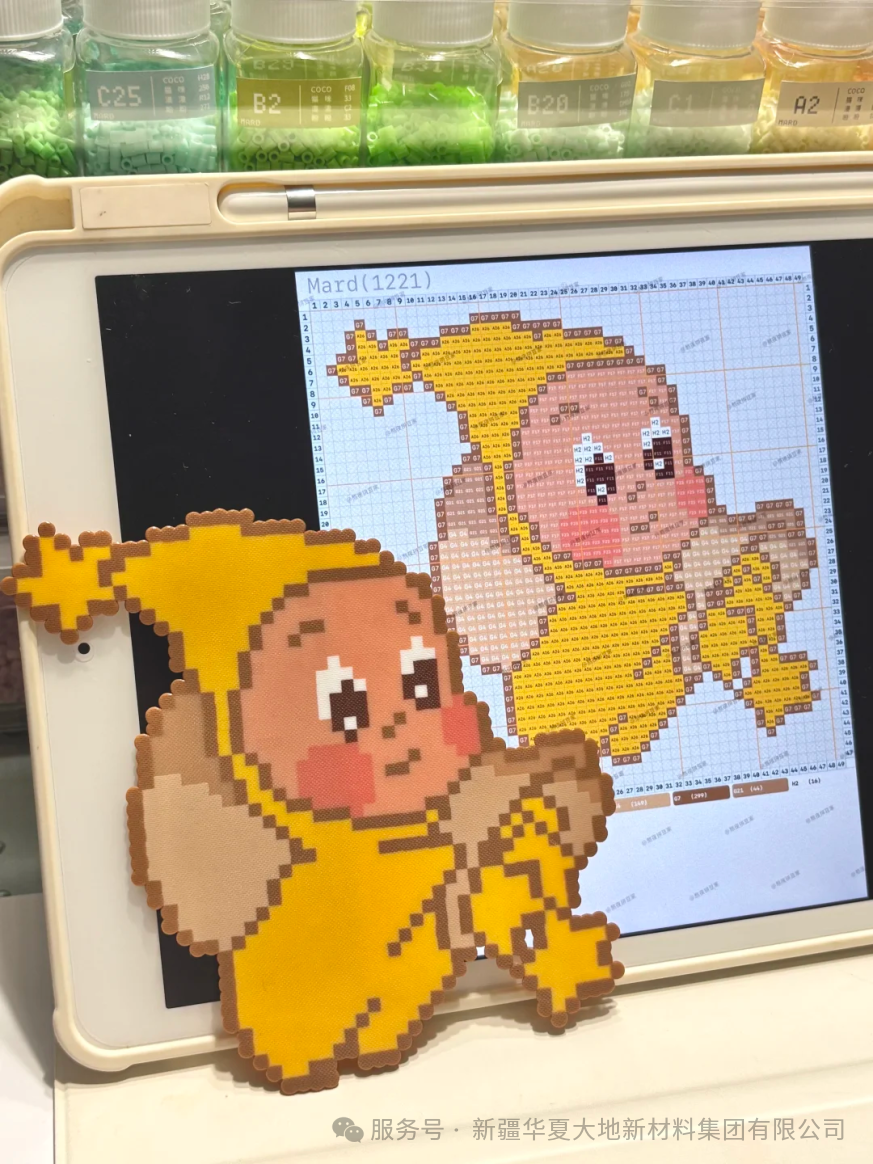
In addition, many people use non-stick baking mats to assist with ironing. The surface of these fabrics is often coated with a Teflon-like coating. If the ironing temperature exceeds 260℃, the coating may gradually decompose and release gases such as perfluoroisobutylene, which can also be harmful to respiratory health.
Facing risks doesn't mean giving up hobbies altogether. Doctors unanimously agree that through scientific understanding and effective protection, these health risks can be significantly reduced or even avoided.
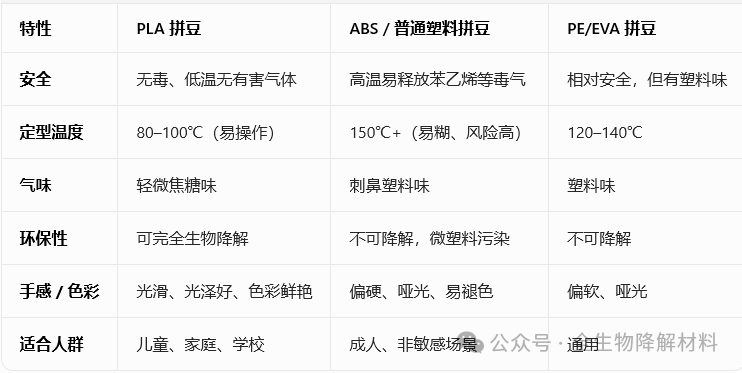
Control from the source and pay attention to the selection of materials and tools. Try to choose bean-assembly products made of environmentally friendly materials such as PE (polyethylene) or PLA (polylactic acid), which have better heat resistance and stability.
The main material of the Pudding Beans is polyethylene (PE), a common and safe synthetic resin. It is odorless and non-toxic and is widely used in food packaging, such as plastic bags and milk bottles. At normal temperatures, it is stable and harmless to the human body.
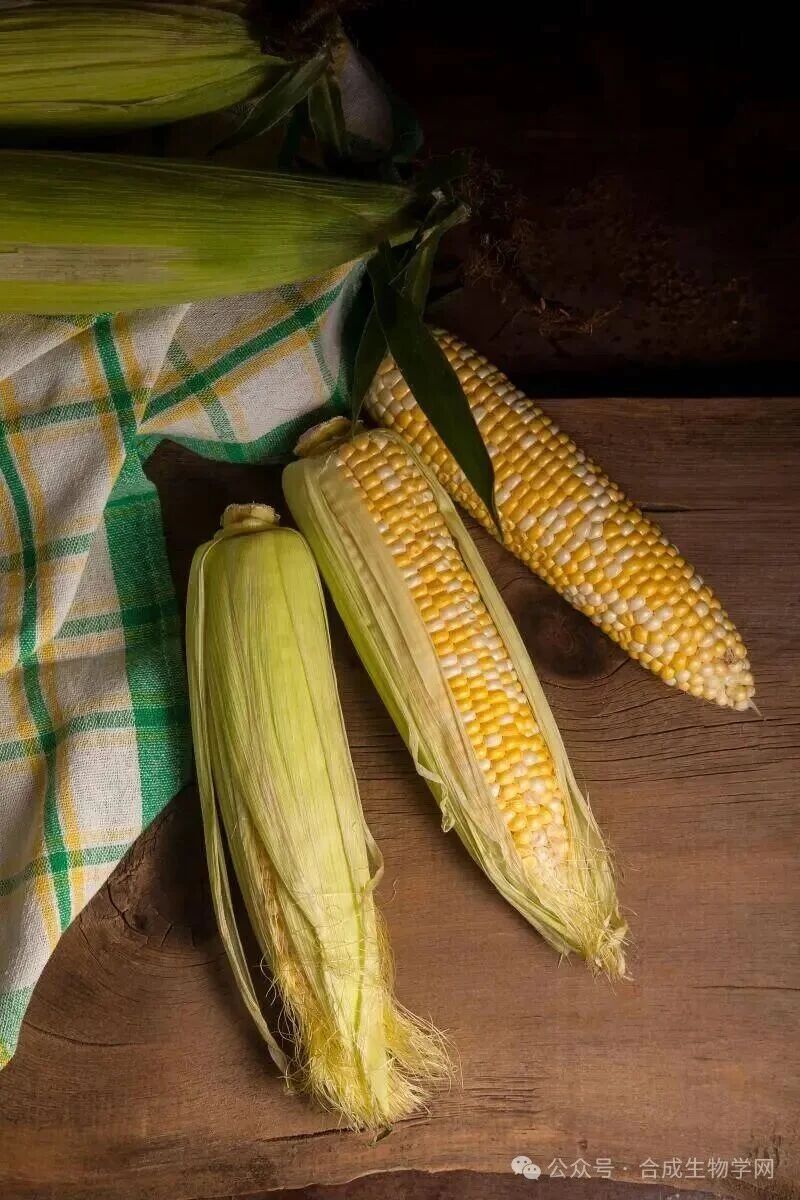
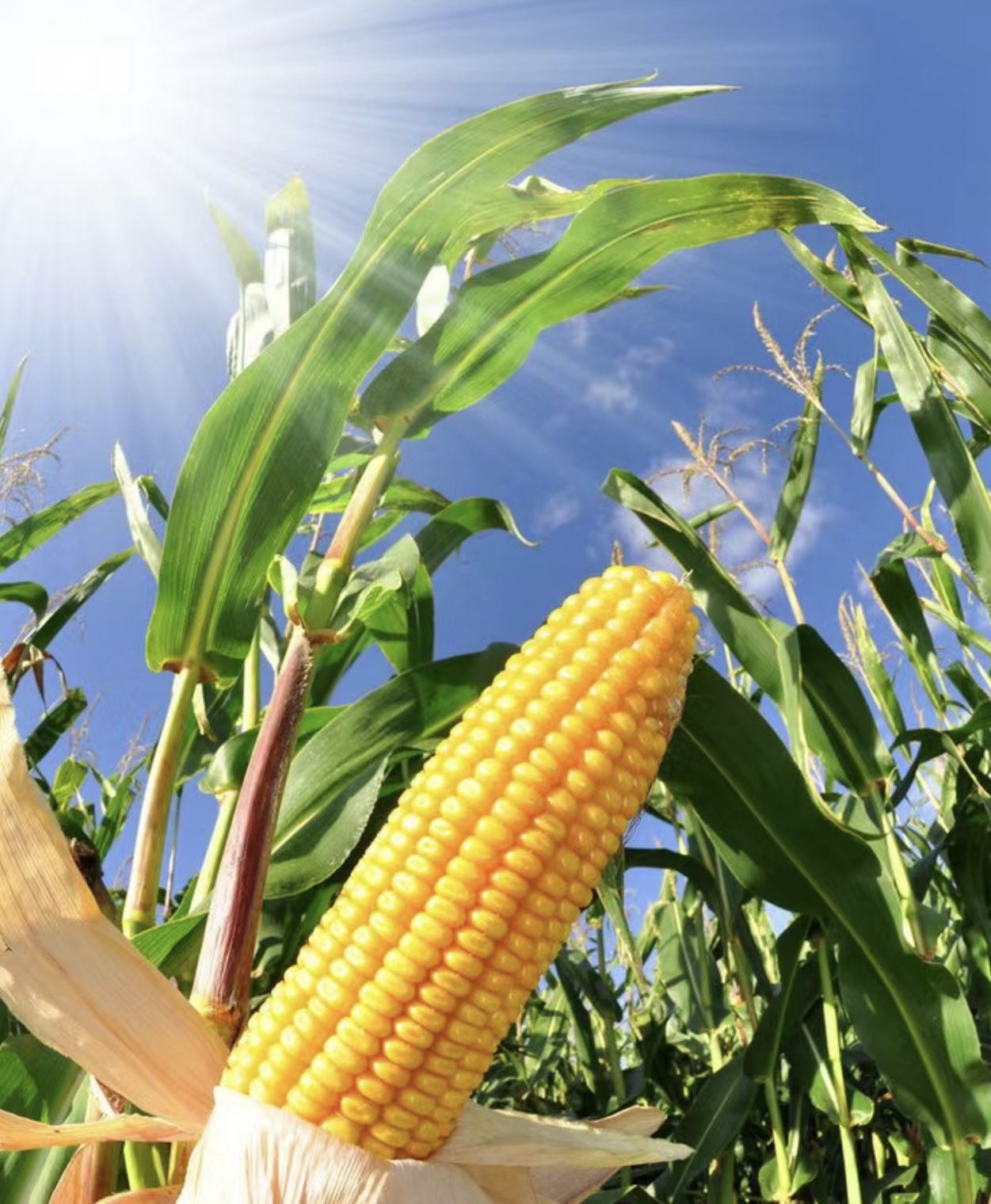
PLA is derived from corn starch. When ironed at a safe temperature, its decomposition products are mainly lactic acid and water, which are relatively safe. At the same time, use a professional iron with precise temperature control and digital display function or a special iron for patchwork, and strictly control the temperature within the safe range recommended in the product manual to avoid high-temperature dry ironing.
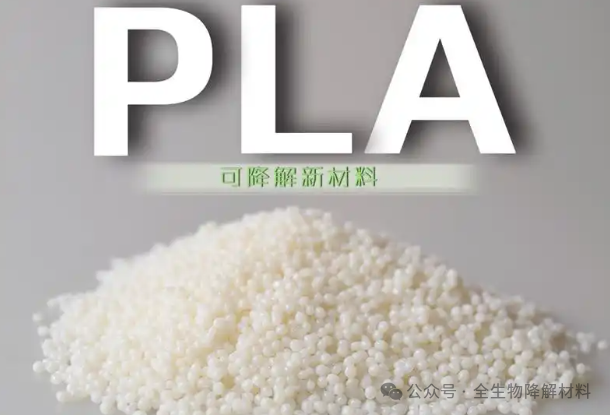
PLA is a safe and environmentally friendly upgrade solution for packaging materials. It outperforms traditional plastics in terms of health, ease of use, and sustainability, and is particularly suitable for families and educational settings that place great importance on children's safety and environmental protection.
The only drawback is that it has relatively poor heat resistance (it tends to soften at around 50℃), so the finished product is not suitable for long-term storage in high-temperature environments.